
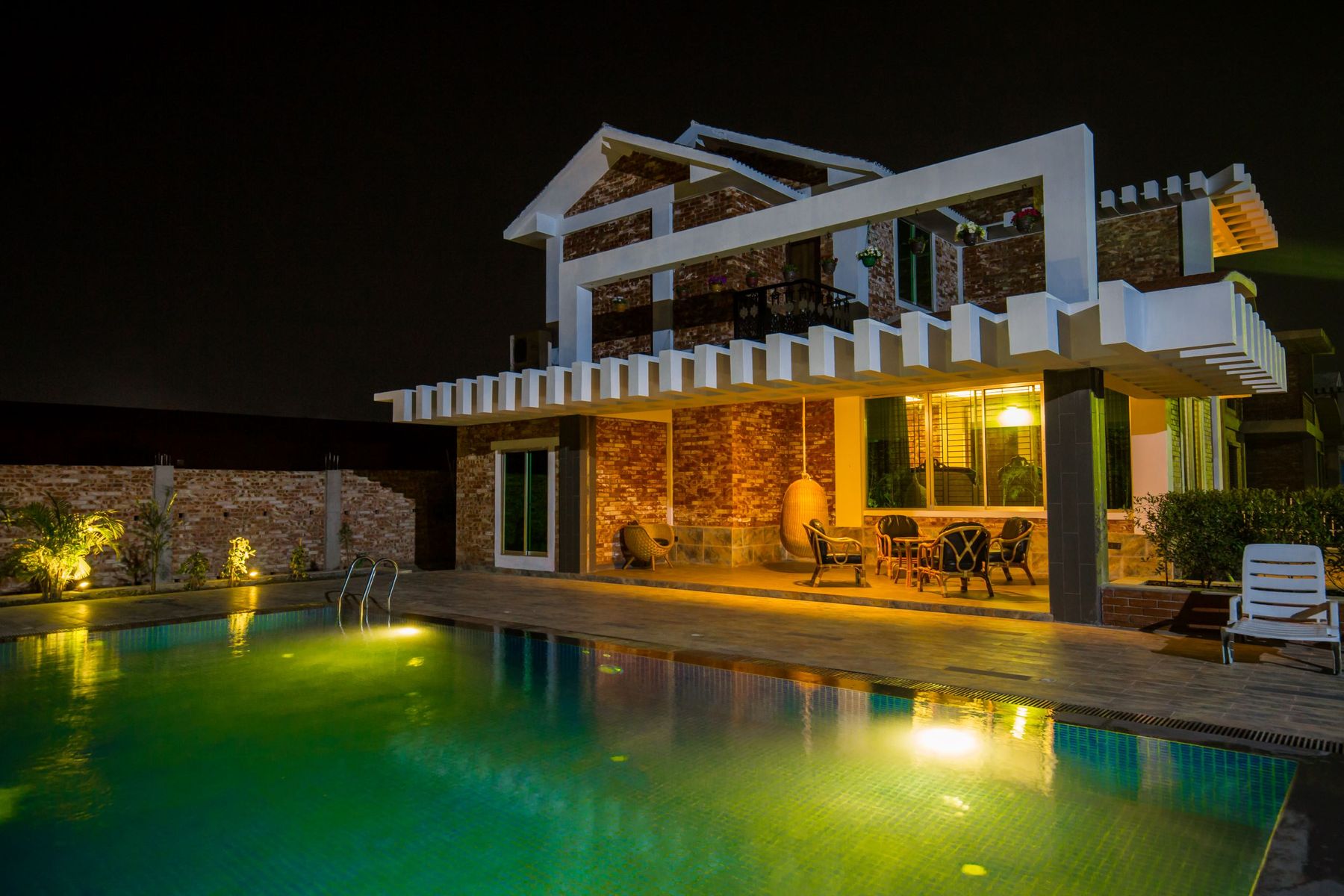
Light composed for the whole property
A thoughtful system connects the architecture, landscape, paths, water, and outdoor rooms without flattening the night.
The best system gives each view enough light and leaves enough darkness around it.
Good design starts with how you approach the house, where you spend time, what you see from inside, and which trees or architectural lines give the property its character.
Fixture selection comes after the visual plan. Beam shape, color, placement, controls, and service access support that plan.
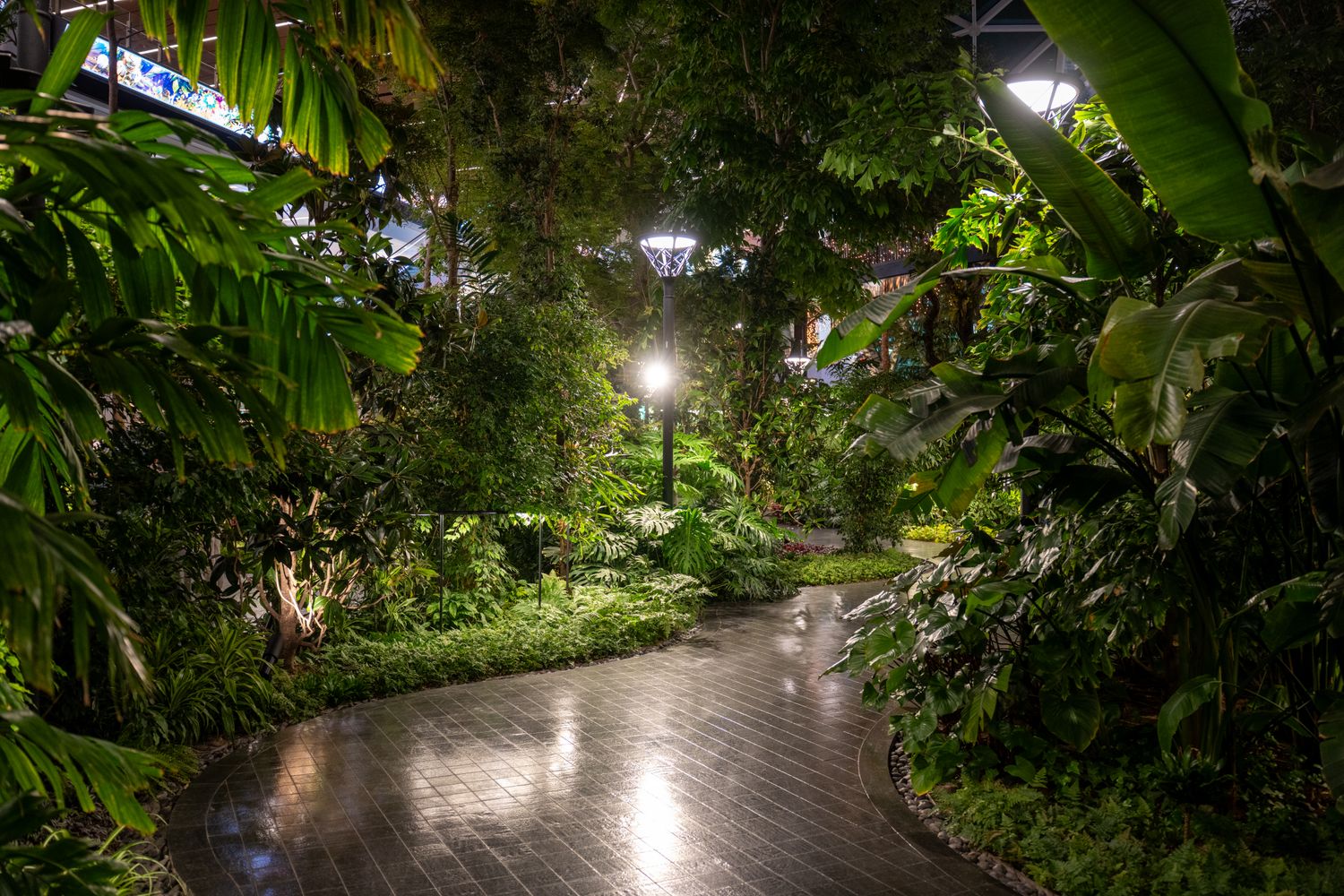 Representative lighting application
Design the views, not a fixture count
- Arrival, entry, and architectural form
- Specimen trees, palms, and layered planting
- Paths, steps, gates, and transitions
- Pools, water features, and outdoor kitchens
- Views from interior rooms and terraces
From daylight walk-through to nighttime balance
The plan accounts for the landscape you have now and the way planting, architecture, and use may change.
Read the property
Study sightlines, architecture, focal points, circulation, existing power, and the way the home meets the landscape.
Set the hierarchy
Choose what should lead the eye, what should support it, and which areas should stay quiet.
Specify the system
Match fixtures, beam spreads, color, transformers, wiring, and controls to the design.
Aim and refine
Adjust the installed system after dark to control glare, balance brightness, and protect views.
See the property as a set of connected scenes
Representative stock imagery shows the design goals. Project photography will replace it before launch.
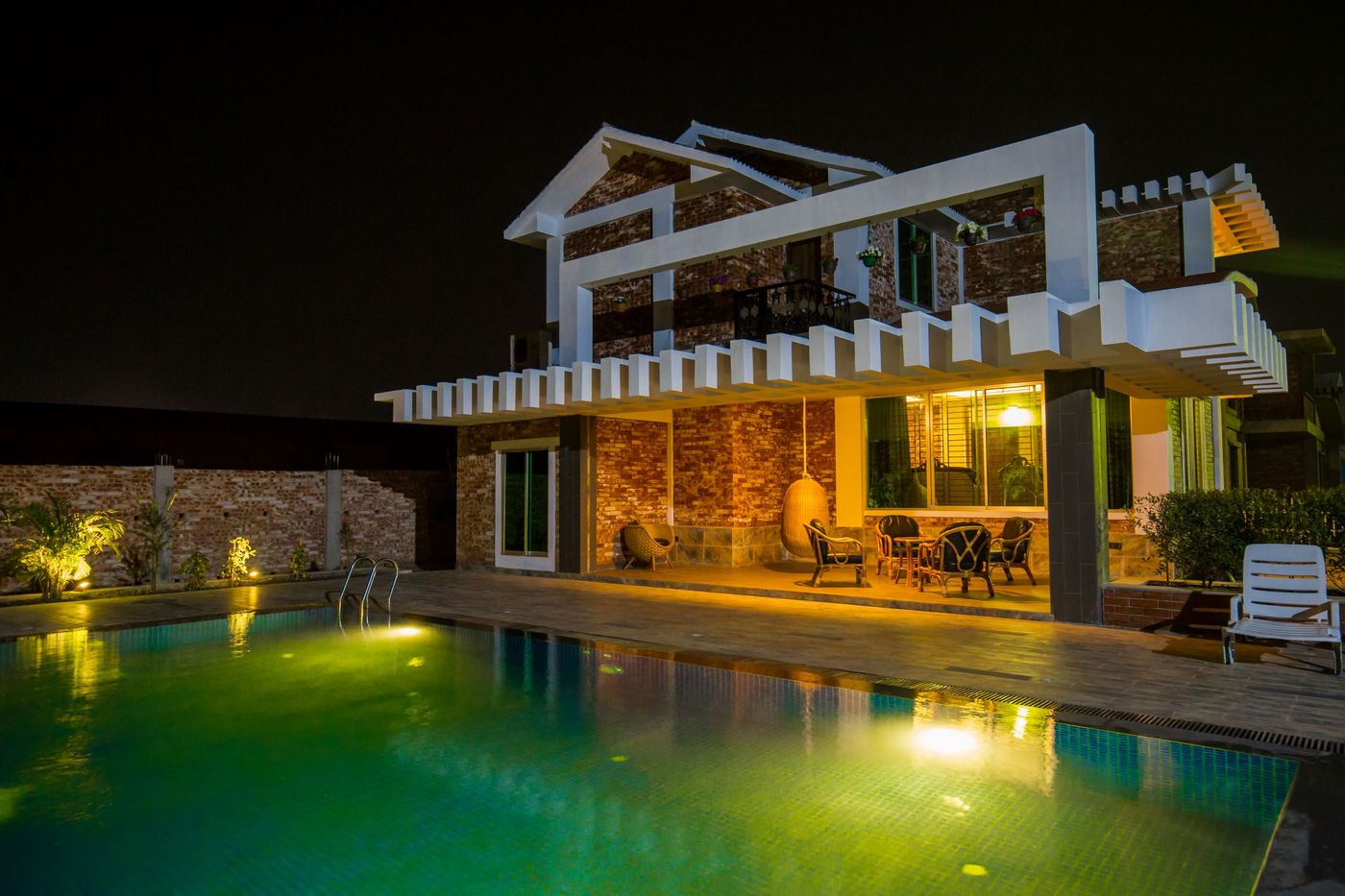 Representative lighting applicationArchitecture and water
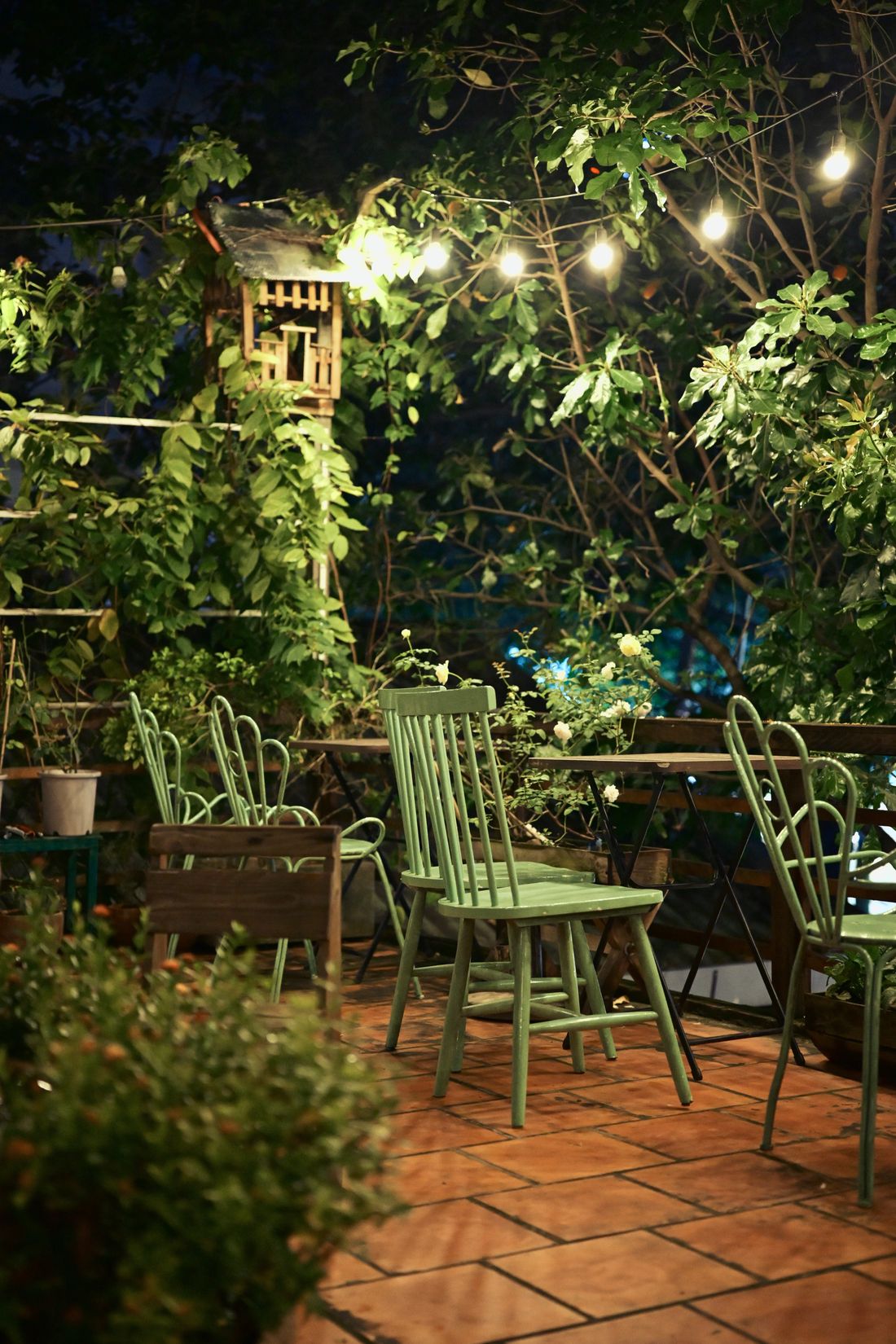 Representative lighting applicationOutdoor rooms
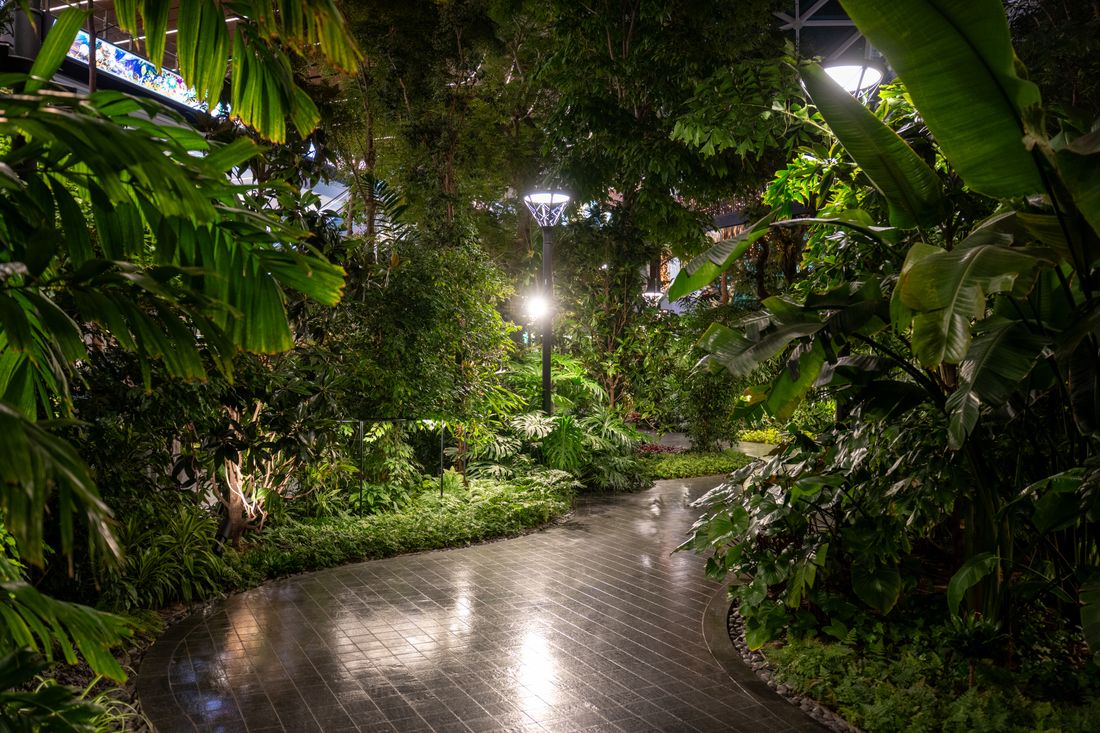 Representative lighting applicationGarden passage
Representative lighting application photography from Pexels. Images do not depict work completed by Landscape Lighting Repair.
Start with the way you want the home to feel
Casey’s team can walk the property, discuss the views that matter, and define the next step.