
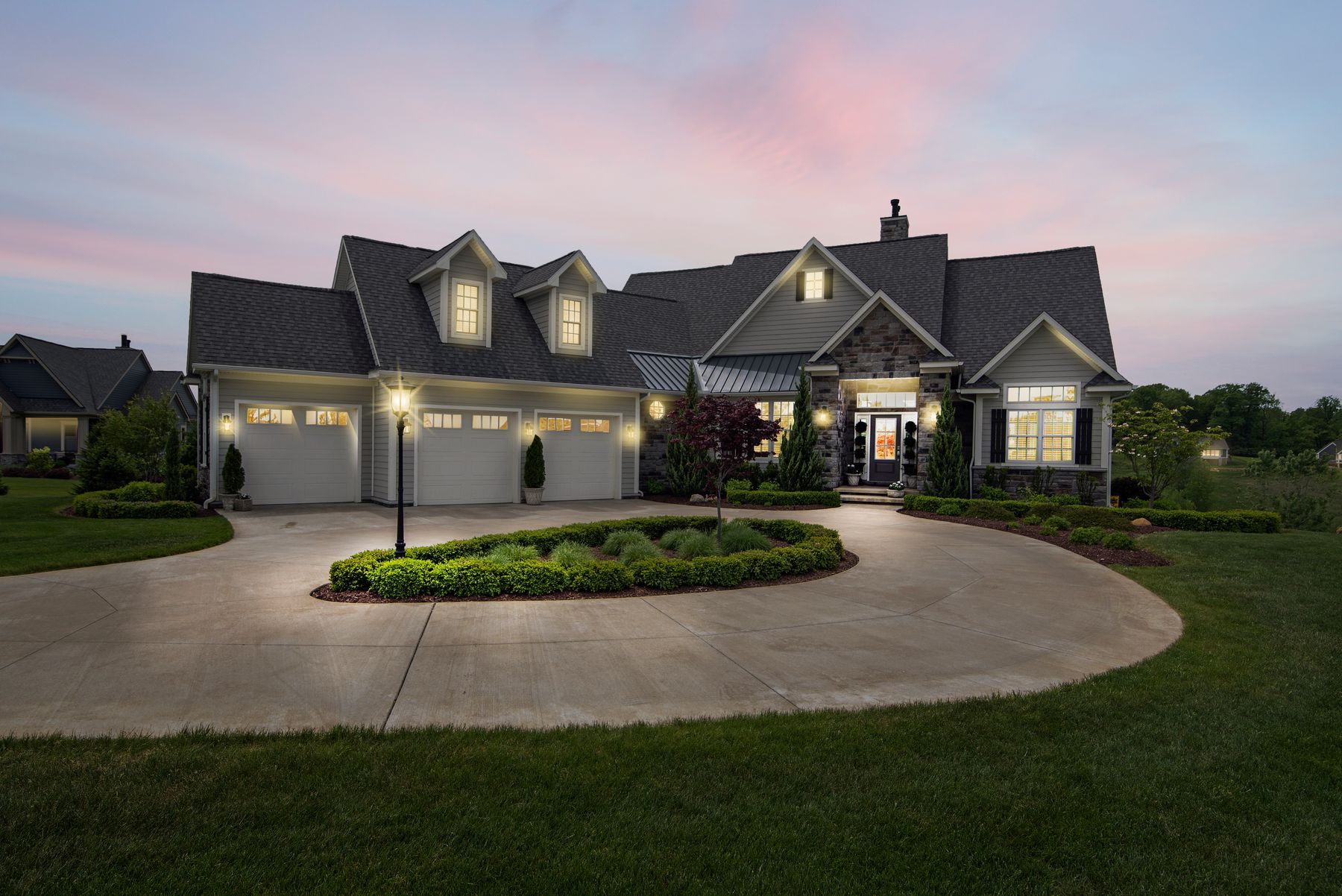
Find the cause. Restore the effect.
Landscape lighting failures often travel through the system. A careful diagnosis protects the fixtures, wiring, and nighttime composition that still work.
A dark fixture may be the symptom. The source can sit somewhere else in the system.
Connections loosen. Tree roots and landscaping crews disturb wire. Moisture reaches fixtures. Voltage drops across long runs. Timers lose their programming. Transformers reach their limit.
The repair starts by tracing what changed, not by swapping the first part that failed.
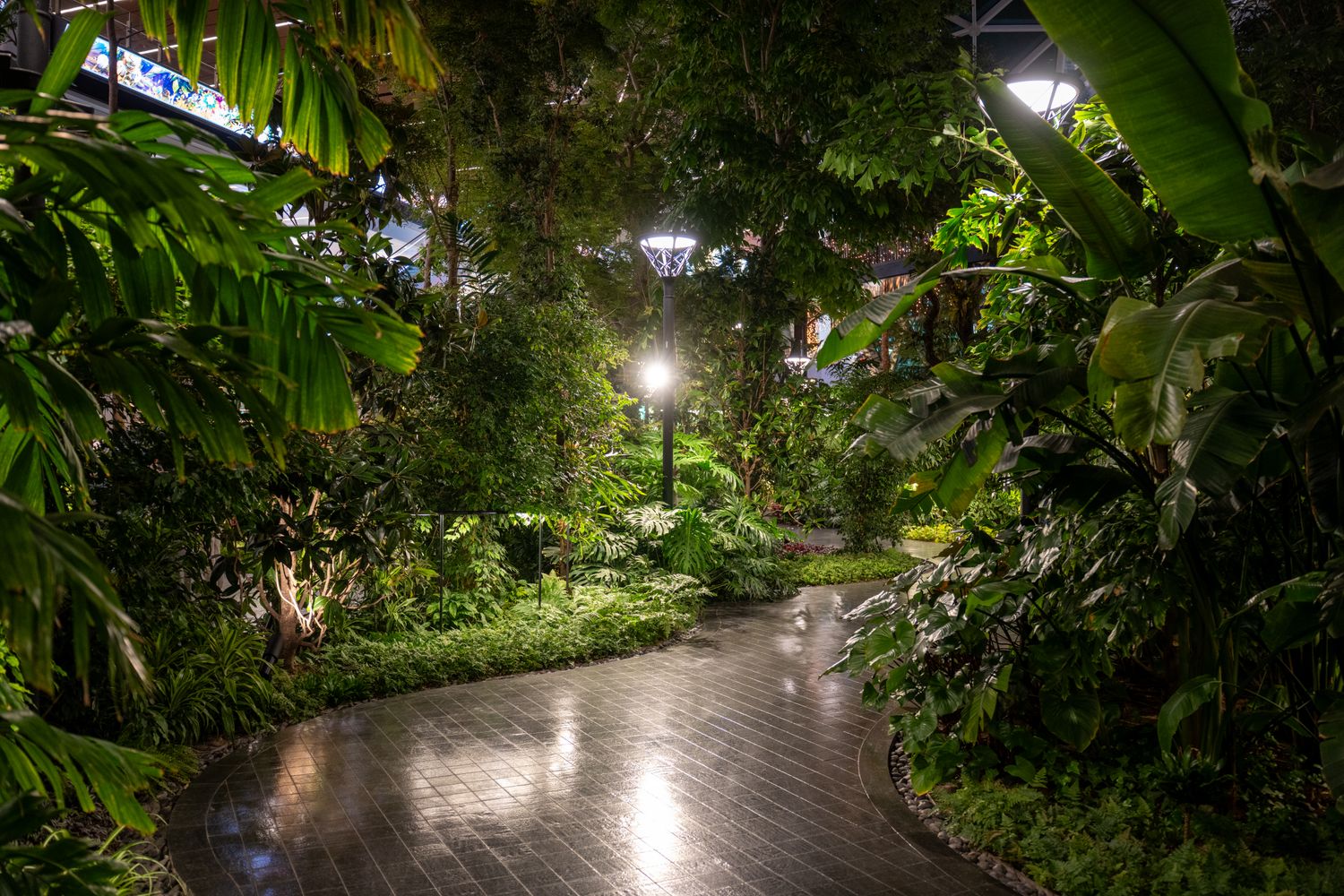 Representative lighting application
Repair the problem you have
Casey’s team reviews the operating system, fixture condition, wiring routes, connections, controls, and the way the property reads after dark.
- Lights that fail, flicker, or lose brightness
- Damaged cable, connections, and fixtures
- Transformer, timer, and photocell problems
- Water intrusion, corrosion, and shifted fixtures
- Uneven output after landscape growth or changes
Keep what serves the property
An older system does not need wholesale replacement by default. The right scope depends on condition, compatibility, and the lighting result you want to preserve.
Diagnose
Trace electrical and mechanical issues across the system so the repair addresses the source.
Restore
Correct failed components and reposition fixtures that no longer serve the architecture or planting.
Rebalance
Review brightness, glare, aiming, and dark areas so the repaired system feels composed again.
Plan ahead
Identify aging components that deserve attention now and those that can remain in service.
Repair should protect the lighting effect, not leave a patchwork of new parts.
Compatibility, color, output, aiming, and future service all shape the decision.
Let’s look at what changed
Share the symptoms you see. Casey’s team can assess the property and outline the next step.